 Chat with us
 08045802414




 Send Inquiry
Fluid Bed Dryer
Price 150000 INR/ Unit
MOQ : 1 Unit
Fluid Bed Dryer Specification
- Power
- 2 HP 10 HP (Varies by Capacity)
- Fuel Type
- Electricity / Steam
- Heat Source
- Electric or Steam
- Power Consumption
- Approx. 3 8 kW/hr
- Usage
- Industrial
- Material
- Stainless Steel
- Voltage
- 220-240 Volt (v)
- Temperature
- Up to 120C
- Product Type
- Fluid Bed Dryer
- Technology
- Fluidization
- Dimension (L*W*H)
- Customizable as per model
- Color
- Gray
- Noise Level
- Below 75 dB
- Blower Motor
- Heavy Duty, TEFC Type
- Capacity
- 10 kg to 500 kg per batch
- Tray Type
- Perforated Trays
- Exhaust System
- Inbuilt with option for HEPA filtration
- Safety Interlocks
- Provided for Door and Air Pressure
- Control Panel
- Digital with PID Controller
- Air Distribution Plate
- SS316 Perforated Plate
- Mobility
- Mounted on Castor Wheels for Easy Movement
Fluid Bed Dryer Trade Information
- Minimum Order Quantity
- 1 Unit
- Supply Ability
- 1 Unit Per Week
- Delivery Time
- 1 Week
About Fluid Bed Dryer
A fluid bed dryer is a type of equipment used in the pharmaceutical, food, and chemical industries to dry granular or powder materials. It works by passing hot air through a bed of the material to be dried, causing the particles to move fluidly and promoting efficient drying.
Fluid bed dryers consist of a chamber with a perforated bottom, a heating system, and a fan. The material to be dried is placed on the perforated bottom, and hot air is blown through the material from below. As the air passes through the material, it fluidizes the particles and carries away moisture, drying the material in the process.
Fluid bed dryers are designed to handle a wide range of materials, from fine powders to large granules. They are particularly useful for drying heat-sensitive materials or materials that are prone to clumping or sticking during drying. The fluidization process promotes uniform drying and prevents the material from sticking together or forming lumps.
Fluid bed dryers are also relatively easy to operate and maintain, with simple controls for adjusting temperature and air flow. They can be used in batch or continuous operation, depending on the needs of the application.
Overall, fluid bed dryers are an important tool for the pharmaceutical, food, and chemical industries, providing an efficient and effective method for drying a wide range of materials. They offer uniform and gentle drying, preventing damage to the material and ensuring high-quality end products.
Smart Fluidization Technology
Employing advanced fluidization, this dryer evenly suspends and dries materials using controlled hot air. The SS316 perforated plate assures uniform airflow, reducing drying times while preventing material degradation, making it indispensable in industrial processing.
Robust Safety and Control Features
Designed for reliability, the dryer features comprehensive safety interlocks for both door access and air pressure. Its intuitive digital PID control panel ensures precise temperature and process monitoring for consistent, repeatable results in every batch.
FAQs of Fluid Bed Dryer:
Q: How does a fluid bed dryer operate and what materials can it process?
A: A fluid bed dryer operates by directing hot air through a perforated SS316 plate, causing the product to float and dry uniformly. It is suitable for granular, powdery, or crystalline substances, commonly used in the pharmaceutical, chemical, food, and agricultural industries.Q: What safety features are integrated into the fluid bed dryer?
A: Key safety features include interlocks for the door and air pressure. These ensure the machine operates only when conditions are safe, preventing accidents and maintaining optimal operating standards in industrial settings.Q: When should you choose a batch size within the 10500 kg range?
A: Select the batch size based on the scale of your operation and product type. Larger batches (up to 500 kg) suit high-volume industrial production, while smaller batches (10 kg) are ideal for pilot runs or specialized products.Q: Where can the fluid bed dryer be installed, and how portable is it?
A: This dryer, being mounted on castor wheels, can be easily relocated within a facility, making it ideal for factories and production sites in industries such as pharmaceuticals, chemicals, and food processing across India.Q: What control and monitoring systems are provided?
A: It comes equipped with a digital control panel featuring a PID controller for accurate temperature management and real-time process adjustments, ensuring product quality and process reliability.Q: How does inbuilt HEPA filtration benefit the exhaust system?
A: The optional HEPA filtration in the exhaust system captures fine particles, ensuring a cleaner work environment and compliance with stringent emission standards, particularly important for sensitive or hazardous materials.Q: What are the primary benefits of using this fluid bed dryer in industrial applications?
A: The primary benefits include uniform, efficient drying, reduced labor due to easy mobility, enhanced safety features, low operational noise, flexible power/heat source options, and a customizable design catering to various industrial needs.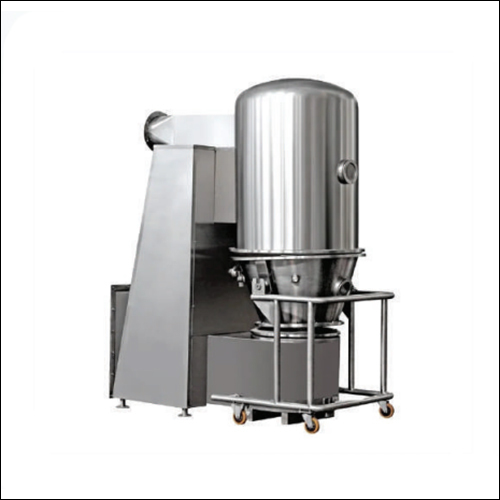
Tell us about your requirement

Price:
Quantity
Select Unit
- 50
- 100
- 200
- 250
- 500
- 1000+
Additional detail
Mobile number
Email


Contact Details

- GALA NO.005, JRT Industrial Estate, Vasai Virar, Palghar,Vasai - 401208, Maharashtra, India
- Phone : 08045802414
-
 Send Inquiry
THE GLOBAL PHARMA EQUIPMENTS
Vasai,Mumbai, Maharashtra,India
Vasai,Mumbai, Maharashtra,India
 Send Inquiry
- Ms. Sneha Hari Nair (Proprietor)
Mobile : +91-9860039272
Regd. Office : A-401, Gagan Dream Complex, Gagan Supreme Building, Link Road, Vasai East, Near Fire Brigade

THE GLOBAL PHARMA EQUIPMENTS
All Rights Reserved.(Terms of Use)
Developed and Managed by Infocom Network Private Limited.
Developed and Managed by Infocom Network Private Limited.

